Communication
mindcraft: enter the maze of dyslexia
Background
Dyslexia is a condition that affects a significant number of individuals worldwide. However, dyslexics are often misunderstood and stigmatized due to their unique learning abilities. As a result, many dyslexics often feel isolated and lack confidence in school, work, and life. To address this issue, our agency aimed to create an in-game experience that would empower dyslexics to showcase their abilities fully.
Objective
The objective of the in-game experience was to create a platform where dyslexics could excel and feel confident. Additionally, the experience aimed to raise awareness about dyslexia.
Methodology
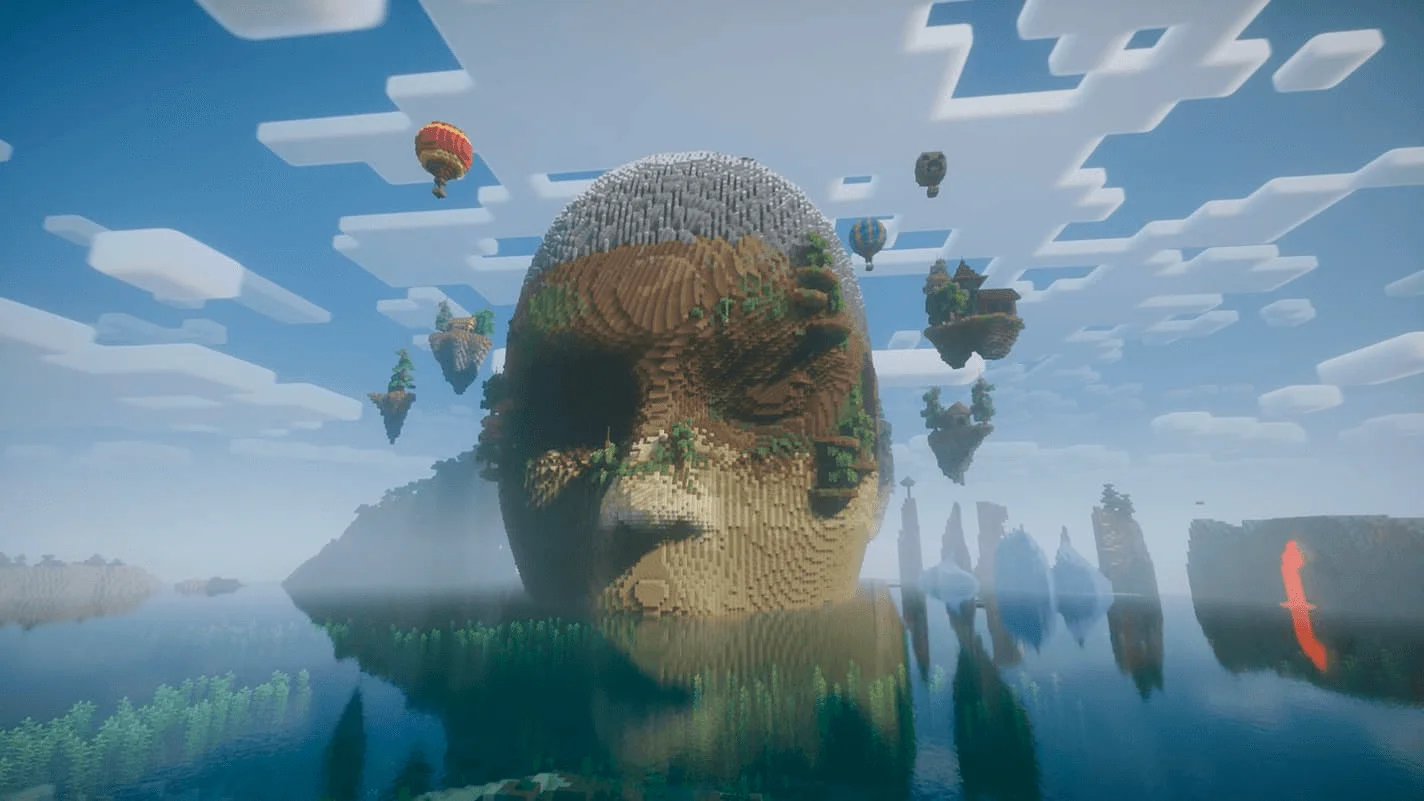
Our agency worked in collaboration with neuropsychologists and the dyslexic community to create a Minecraft map called Mindcraft that would serve as an educational tool and an engaging in-game experience for dyslexics.
Furthermore, the Minecraft founder, Marcus Persson, who is dyslexic himself, has shared his story and encouraged others to try the Minecraft map experience. The game represents the 38% of dyslexics who are unaware of their condition.
The Mindcraft map was designed to be the most challenging Minecraft map, with three districts representing home, school, and workplace. Each district had three main stages of obstacles that were difficult, tough, and annoying, except for those with dyslexic super abilities. The map was built like an educational tool by the dyslexic community in cooperation with neuropsychologists, taking into account:
- Minimalist visual design. Dyslexics often struggle with complex visual designs, so Mindcraft is clear, simple, and easy to understand.
- Spatial puzzles. The whole game is a huge spatial puzzle that capitalizes on dyslexics’ strengths in this area.
- Color coding. The game uses color coding to help dyslexics differentiate between different elements in the game.
Results
The in-game experience was an overwhelming success. Within 48 hours of its launch, it had over 17,000 downloads, and the map was extended to the official Minecraft Education for schools. Furthermore, 235,000 individuals were identified as dyslexic, and the experience brought international topics of discussion about a more inclusive approach toward dyslexics. Finally, thousands of posts and reposts were made on social media about the experience, further raising awareness.
Conclusion
Creating an in-game experience for dyslexics was an innovative approach to promoting inclusivity and empowering dyslexics. The Mindcraft map designed by Favvey, in collaboration with BETC, the dyslexic community, and neuropsychologists, not only engaged dyslexics but mainly served as an educational tool. The success of the experience highlights the importance of creating more inclusive experiences for individuals with unique learning abilities that can be key to the world of tomorrow being built together.